- April to December: Dry season with less rain.
- July and August: Peak tourist season, vibrant marine life.
- January to March: Wet season, potential for rough seas.
When planning a private trip to Komodo National Park from Labuan Bajo, understanding the seasonal weather patterns is crucial. The best season for a Komodo private trip aligns with the dry season, which runs from April to December. This time frame not only offers the most favorable weather conditions but also facilitates better visibility for underwater activities and wildlife spotting.
Understanding the Seasons in Komodo
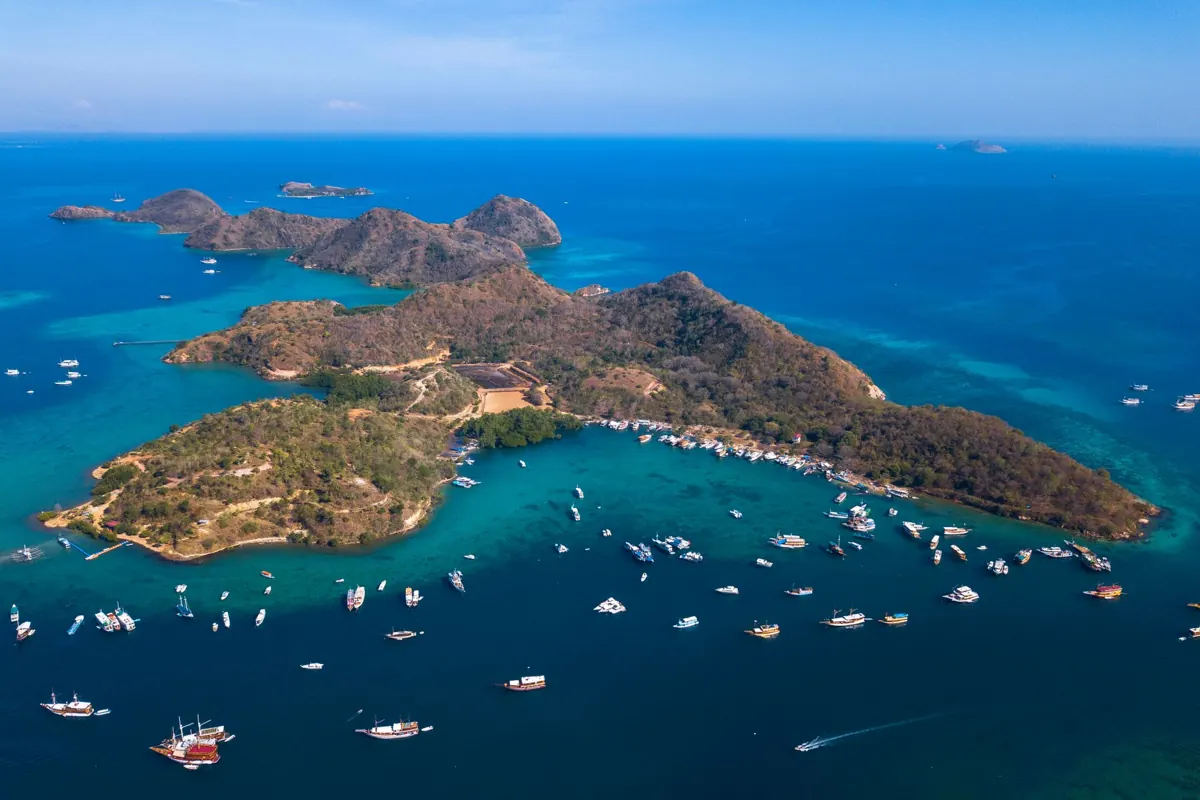
Komodo National Park experiences two main seasons: the dry season and the wet season. Each season influences the travel experience significantly, affecting everything from the weather to the level of tourist activity.
Dry Season (April to December)
The dry season is characterized by minimal rainfall and lower humidity levels. This is the optimal time for travelers looking to explore the islands and engage in activities such as snorkeling, diving, and hiking.
- April to June: These months herald the beginning of the dry season. April is especially good because the park is less crowded after the rainy season, allowing for a more intimate experience with nature. The sea conditions are calm, making it an excellent time for boat trips.
- July and August: This is the peak tourist season. The weather is dry and sunny, providing perfect conditions for outdoor activities. Marine life is vibrant, with many species visible during snorkeling and diving excursions. However, expect larger crowds during these months.
- September to December: The weather remains dry, and the tourist numbers start to dwindle. This is a good time for those looking to avoid the crowds while still enjoying pleasant weather. Marine visibility is typically excellent, making it ideal for underwater exploration.
Wet Season (January to March)
The wet season in Komodo typically sees increased rainfall and higher humidity. This season can be less favorable for travel due to unpredictable weather patterns.
- January: This month often experiences some of the heaviest rainfall. Many boat operators may halt trips, and hiking trails can become slippery and challenging.
- February and March: Rain continues, and sea conditions can be rough, making boat travel less predictable. However, this period is also the low season, meaning fewer tourists and often lower prices for accommodations and tours.
Weather Patterns and Their Impact on Travel
The weather in Komodo National Park can be unpredictable, but understanding the general patterns can help in planning your private trip effectively. During the dry season, average temperatures range from 25°C to 32°C (77°F to 90°F), providing comfortable conditions for outdoor activities.
In contrast, the wet season brings cooler temperatures but also the risk of storms and rough seas. Average rainfall can reach up to 250 mm (10 inches) per month between January and March. This can lead to cancellations of boat trips and limit access to some areas in the park.
Best Activities to Plan During Each Season
Depending on the time of year you choose to visit, different activities will be more suitable:
Activities During the Dry Season
- Snorkeling and Diving: With clear waters and vibrant marine life, this is the best time for underwater exploration. Sites such as Batu Bolong and Manta Point are particularly popular.
- Hiking: The trails on Komodo Island, Rinca Island, and Padar Island are best tackled during the dry months when conditions are stable.
- Wildlife Watching: Komodo dragons are easier to spot during the dry season as they are more active and visible.
Activities During the Wet Season
- Photography: The lush green landscape during the wet season can provide beautiful backdrops for photography enthusiasts.
- Local Cultural Experiences: Explore the nearby villages and engage with local communities, as there are fewer tourists.
- Lower-Cost Tours: Many tour operators offer discounts during the wet season, making it an economical time to travel.
Pricing Considerations
Pricing for private trips to Komodo varies depending on the season. During the peak season (July and August), prices may rise significantly due to increased demand. In contrast, visiting during the wet season can yield lower prices for tours and accommodations.
- Private Boat Charters: Expect to pay between USD 600 to USD 1,200 per day for a private boat, depending on the size and amenities.
- Guided Tours: Prices for guided tours range from USD 100 to USD 300 per person, depending on the itinerary and inclusions.
- Accommodations: Prices for hotels and lodges can vary greatly, with budget options starting at USD 30 per night and luxury options reaching USD 300 or more.
Optimizing Your Komodo Visit Based on Weather
Visiting Komodo in the dry season, from April to December, offers the best conditions for trekking and observing its famous dragons. The sunny skies and minimal rain make it ideal for outdoor activities and photography. However, if you are interested in lush landscapes and fewer tourists, consider the wet season when the island transforms into a vibrant green haven. To customize your itinerary and find the best option for your interests, explore the labuan Bajo Private Trip Pricing & Cost Guide.
For planning specifics, you can also check Labuan Bajo Private Trip or refer to our book Labuan Bajo Private Trip | Labuan Bajo Private Trip guide for comprehensive guidance.